5 Min Read

Most homeowners assume design comes first. But when it comes to remodeling, the smartest starting point is your contractor. Starting with the build in mind helps protect your budget, timeline, and vision from day one.
This article breaks down the biggest benefits of meeting with your contractor before hiring a designer. From budget alignment and structural insight to smoother communication and fewer surprises, you’ll learn how this simple shift can set your entire remodel up for success.
Here's why it's just smart planning to meet your contractor first:
1. Budget Alignment from Day One2. Structural Feasibility Comes First
3. Clearer Scope = Smoother Design
4. Streamlined Communication Between Trades
5. Honest Input on Priorities and Payoffs
6. Design-Build Momentum Without Red Tape
7. Peace of Mind Before You Commit
1. Budget Alignment from Day One
One of the most common remodeling pitfalls? Falling in love with a design that’s far outside your budget.
While many interior designers have great taste and vision, they may not always have current, local pricing insight, especially when it comes to labor, permitting, and structural changes.
That’s where your contractor comes in.
Why Start with Your Contractor?
When you meet with your contractor before a designer, you get early access to real-world cost guidance. This allows you to:
-
Set a clear and realistic budget before any design hours are spent
-
Understand how your wish list translates to dollars and timelines
-
Make trade-off decisions (e.g., splurge on custom cabinetry, save on tile) before the plans are finalized
-
Avoid sticker shock once bids come in for work your designer has already mapped out
The Cost of Designing Without a Build Budget
Without this early alignment, homeowners often experience:
-
Expensive redraws of plans that came in over budget
-
Delays as teams re-scope or cut corners to meet cost targets
-
Frustration from having to scale back a vision they were already emotionally invested in
2. Structural Feasibility Comes First
A beautifully drawn design means nothing if it can’t be built or can’t be built without major compromise. That’s why meeting with your contractor before your designer is important, especially for renovations involving layout changes or additions.
Contractors bring a practical understanding of what your home can support and what it can’t.
Real-World Insight Into Your Home’s Limits
Before a designer starts sketching ideas like opening up walls, raising ceilings, or relocating plumbing, your contractor can:
-
Evaluate structural walls and load-bearing elements
-
Identify existing mechanical, electrical, and plumbing systems
-
Review local codes, zoning, and permitting requirements
-
Flag cost or complexity drivers (e.g., foundation changes, asbestos, water damage)
Save Time, Headaches, and Redesign Costs
When feasibility is addressed upfront, you can avoid:
-
Paying for a design that needs major revisions
-
Discovering mid-project that a feature isn’t doable
-
Delays due to re-permitting or structural surprises
By starting with a contractor, you’re not limiting creativity. You’re grounding it in reality. And that makes for smarter, more buildable design from day one.
3. Clearer Scope = Smoother Design
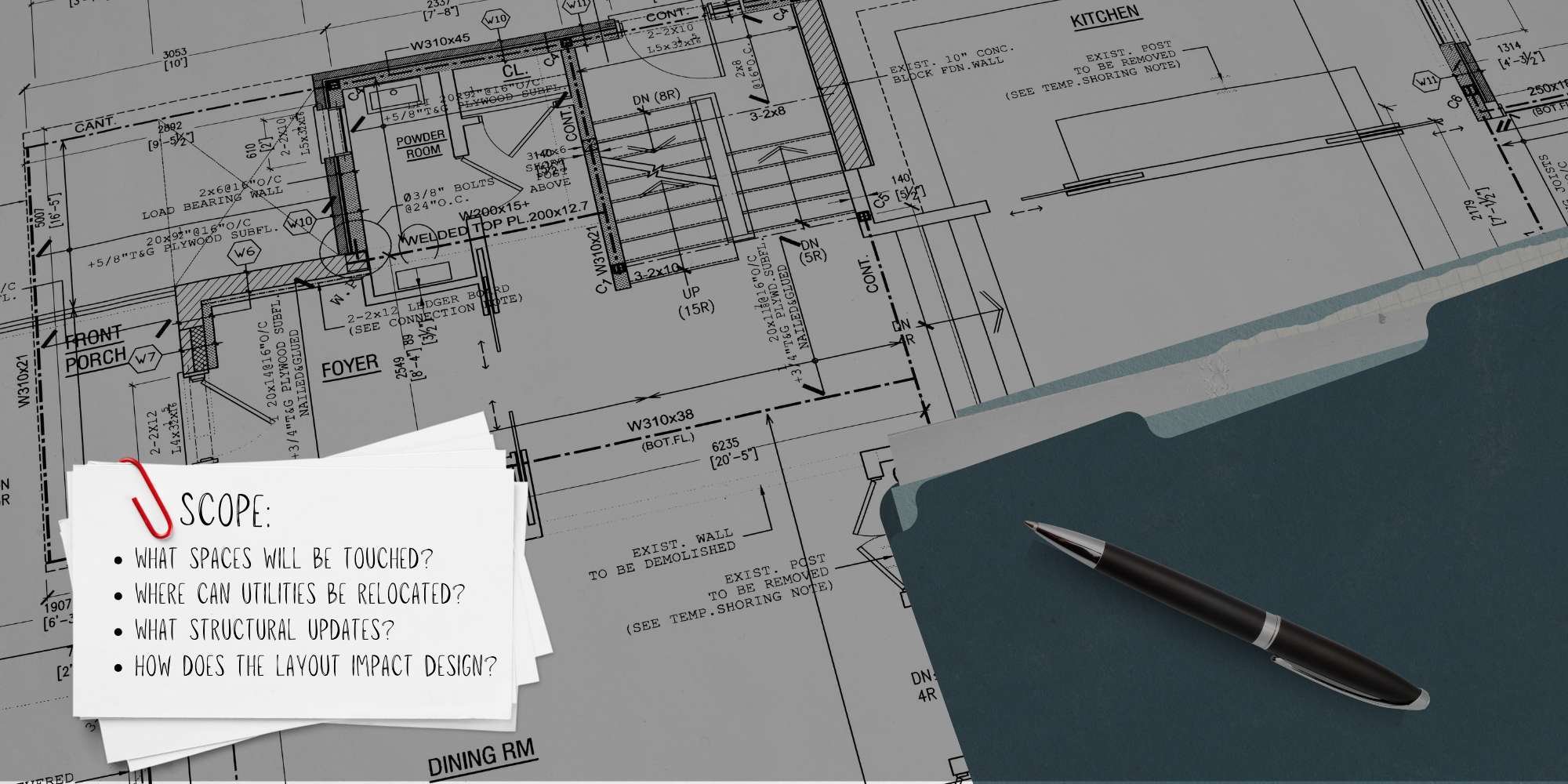
A successful remodel doesn’t start with Pinterest—it starts with clarity. When you meet your contractor before hiring a designer, you gain a grounded understanding of the project’s true scope. That clarity sets your design team up for success.
Why Scope Matters Before Style
Your contractor helps define the boundaries and possibilities of the remodel. That includes:
-
What spaces will be touched (and how deeply)
-
Where utilities can be relocated or where they can't
-
What structural updates are feasible within the budget
-
How existing materials or layouts might impact design
With that foundation, your designer can work within a realistic framework, leading to more efficient planning and fewer changes down the line.
Design With Direction
When the scope is clear from the outset, you avoid:
-
Open-ended design plans that balloon in time and cost
-
Endless revisions because the budget or layout wasn't pre-aligned
-
Frustration when ideas are beautiful but not buildable
Instead, your designer can channel their creativity into a focused vision. One that balances aesthetics, function, and feasibility.
4. Streamlined Communication Between Trades
Remodeling is a team sport and like any successful team, communication is everything. When you bring your contractor in before selecting a designer, you establish a clear point of coordination from the start.
That means fewer surprises, faster decisions, and a smoother experience across the board.
One Point of Contact, Many Moving Parts
Your contractor acts as the hub between designers, subcontractors, suppliers, and you. Early involvement ensures:
-
Design plans align with build logistics from day one
-
Subcontractors get input before drawings are finalized
-
Material lead times and install sequences are factored in early
-
You’re not stuck managing back-and-forth between teams
Wade Caldwell Construction, for example, works with a curated network of experienced tradespeople and has close relationships with designers. That synergy helps keep projects moving and minimizes friction behind the scenes.
Fewer Change Orders. Less Finger-Pointing.
When designers and contractors don’t collaborate early, issues can crop up mid-project:
-
Electrical layout doesn’t match the cabinetry design
-
Lighting placement conflicts with ceiling joists
-
Tile selections don’t account for slope or waterproofing needs
These disconnects often lead to change orders, extra costs, and project delays. But when your contractor is looped in from the beginning, they can catch those issues—before they become problems.
5. Honest Input on Priorities and Payoffs
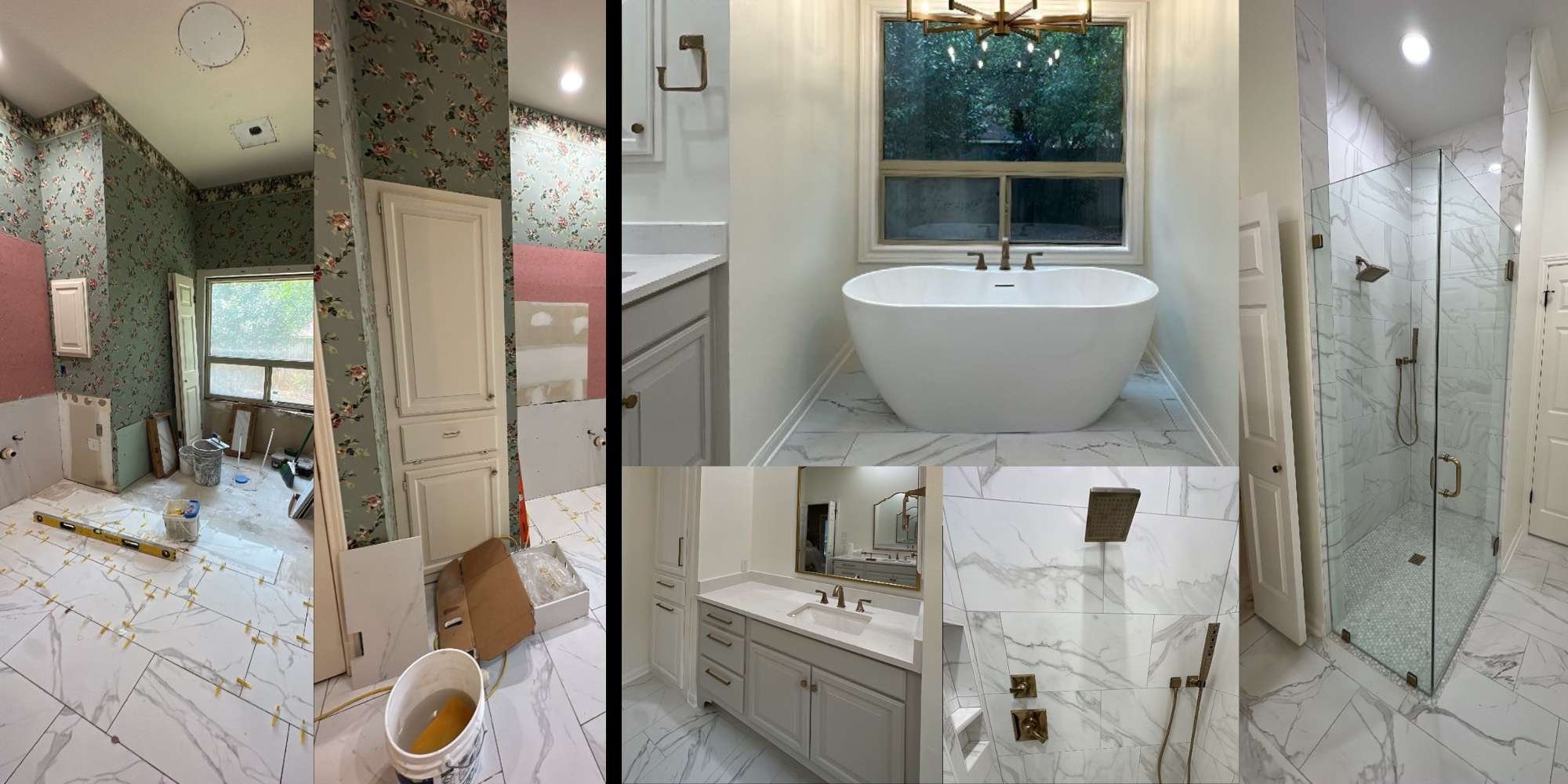
When you’re making big design decisions, it’s easy to get swept up in the aesthetics...until the price tag hits. A trusted contractor helps you navigate those choices with a grounded perspective on what matters most for function, resale, and long-term value.
Spend Smarter, Not Just More
Because contractors work closely with both budgets and build timelines, they can offer valuable insight on:
-
Where to invest (e.g., cabinetry, windows, layout improvements)
-
Where to scale back (e.g., designer tile in every bathroom might not deliver ROI)
-
What will have the biggest day-to-day impact for your lifestyle
-
How selections affect project cost, complexity, and schedule
This isn’t about cutting corners—it’s about helping you make informed, strategic choices that align with your goals.
Transparency Builds Confidence
Wade Caldwell Construction uses a cost-plus model, which means you see exactly where every dollar goes—materials, labor, markup, and subs. That level of transparency builds trust and allows you to adjust priorities without losing control of your vision.
The result? Fewer regrets, better outcomes, and a remodel that works just as hard as it looks.
6. Design-Build Momentum Without Red Tape
One of the biggest advantages of meeting with your contractor first? Momentum.
When your project starts with a clear scope, a realistic budget, and a trusted builder at the helm, it moves forward with purpose not bureaucracy. You get the benefit of a design-build approach, even if you’re assembling your own team.
Why Design-Build Works
Traditional remodeling often involves multiple handoffs: architect to designer to contractor. Each handoff adds time, cost, and potential confusion.
Starting with your contractor streamlines the process by:
-
Aligning build feasibility and design goals upfront
-
Creating a single communication path from concept to completion
-
Reducing time lost to redesigns, rebids, and misaligned expectations
-
Simplifying approvals, estimates, and scheduling
Even if you’re bringing your own designer, your contractor becomes the glue, ensuring your vision, timeline, and budget stay cohesive.
Move Faster, With Confidence
At Wade Caldwell Construction, we work in phases to avoid overwhelm and minimize risk. That means you don’t have to make every decision at once but you’ll always know what comes next.
This phased, proactive approach helps your project avoid the common pitfalls of traditional remodeling and gives you the peace of mind that someone’s steering the ship.
7. Peace of Mind Before You Commit
Remodeling your home is a major investment financially, emotionally, and logistically. Before you commit to design plans, product selections, or timelines, you deserve to feel confident that what you’re envisioning is truly achievable.
That’s exactly what a contractor provides when they’re brought in early.
A Trusted Guide, Not Just a Builder
When you meet with your contractor first, you’re not just hiring someone to manage construction—you’re gaining a guide who can:
-
Assess the true scope of your project before design begins
-
Flag potential challenges before they affect your timeline or budget
-
Set realistic expectations so you can plan with clarity
-
Ensure your vision isn’t just beautiful, it’s buildable
This kind of insight leads to smarter decisions, fewer surprises, and a smoother path from idea to reality.

Take the First Step with Confidence
At Wade Caldwell Construction, we believe great remodeling starts with great relationships. That’s why we invite homeowners to meet with us before they finalize their design team.
We’ll help you explore the options, understand what’s possible, and protect your investment from the very beginning. Let’s start the conversation early and build it right from the beginning.